• Hi all and welcome to TheWoodHaven2 brought into the 21st Century, kicking and screaming! We all have Alasdair to thank for the vast bulk of the heavy lifting to get us here, no more so than me because he's taken away a huge burden of responsibility from my shoulders and brought us to this new shiny home, with all your previous content (hopefully) still intact! Please peruse and feed back. There is still plenty to do, like changing the colour scheme, adding the banner graphic, tweaking the odd setting here and there so I have added a new thread in the 'Technical Issues, Bugs and Feature Requests' forum for you to add any issues you find, any missing settings or just anything you'd like to see added/removed from the feature set that Xenforo offers. We will get to everything over the coming weeks so please be patient, but add anything at all to the thread I mention above and we promise to get to them over the next few days/weeks/months. In the meantime, please enjoy!

broken bandsaw blade

AndyP

Moderator
Staff member
Joined
Jul 22, 2014
Messages
14,364
Reaction score
1,922
Location
14860 Normandy, France
This ain't supposed to happen. The break is defiantly not at the weld. As you can see I was cutting a piece of fresh beech almost to the limit of the saw but I was not forcing it. The wood was only felled last week and was part of the heating logs I had delivered on Saturday.
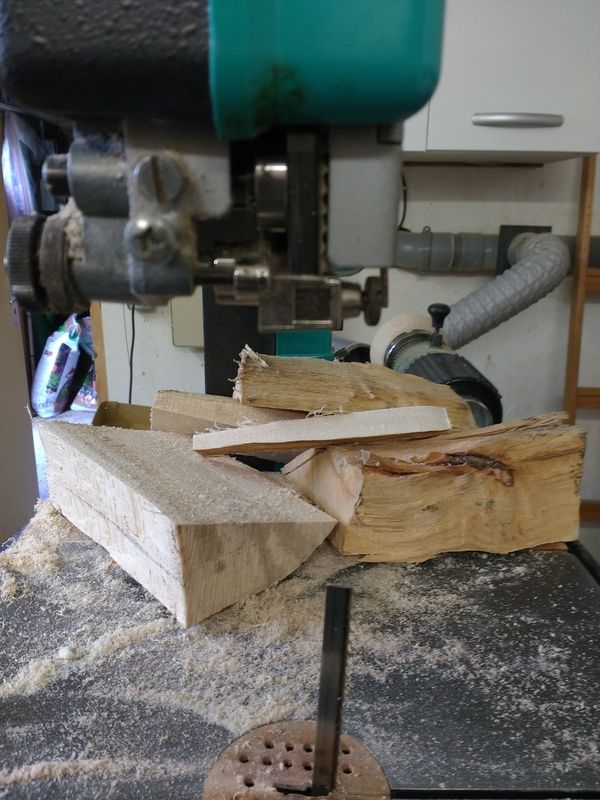


I'd been using the BS or about 40mins, straight cuts only, to round off some lumps of beech that came with the logs for the fire. The blade broke cutting the last one.
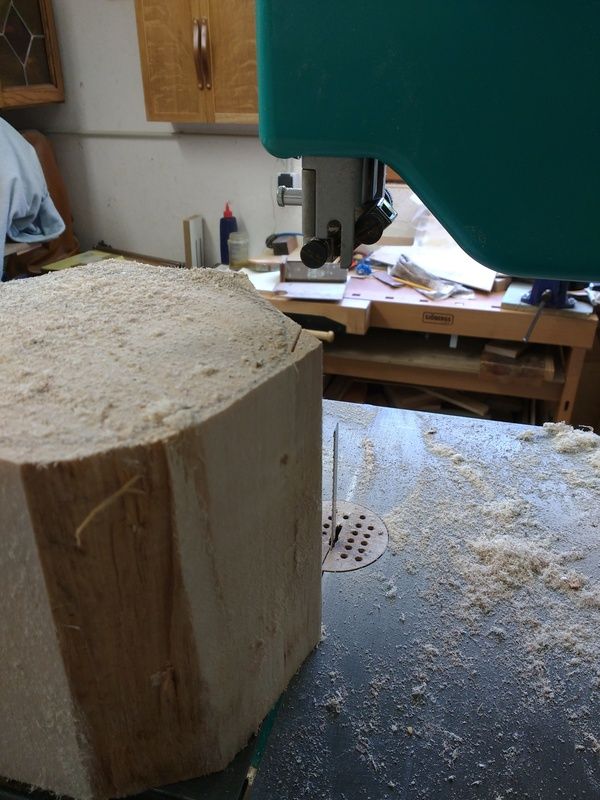


How common an occurrences this? Is it more likely operator error than manufacturing defect? I do not know the exact age of the blade but as I do know it's provenance I know that it would not have been abused before I bought it.

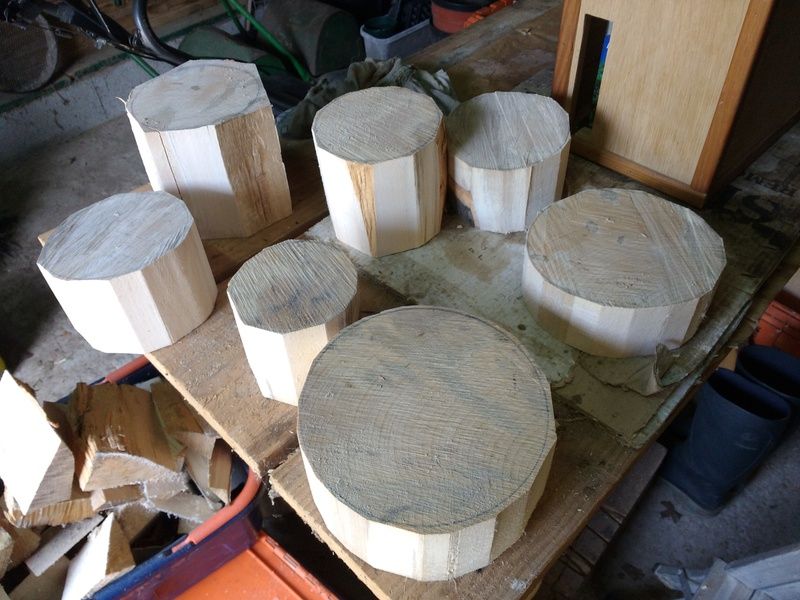
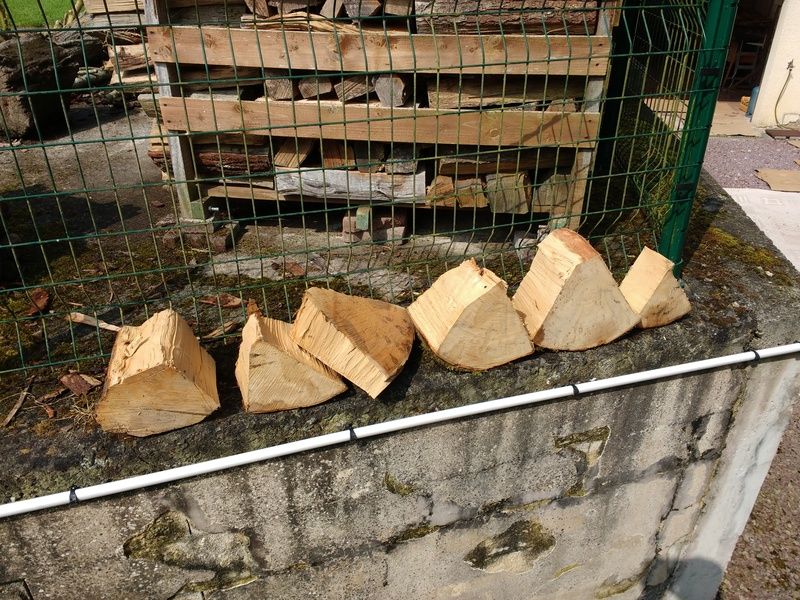
Here are some shots of other pieces before and and after I rounded them off.


I think you have too many teeth for cutting that depth of wood, the gullets are not big enough to cope with the amount of saw dust produced. Was the blade very hot to touch when it broke? That is often caused by the blade clogging.
 
DaveL":itjdoc2c said:
I think you have too many teeth for cutting that depth of wood, the gullets are not big enough to cope with the amount of saw dust produced. Was the blade very hot to touch when it broke? That is often caused by the blade clogging.

I agree--too fine a blade for that thick of a cut. In addition, after 40 minutes of cutting (not to mention an unknown amount of cutting before that) the blade was probably dull, and you may have been making up for that by pushing the wood harder. So it got overstressed and broke.

This happens sometimes, and is nothing to be concerned about. I'd say you got your money's worth out of it. So go buy another.

Kirk
 
Dave, Kirk, Thanks for that. Makes sense as the wood is still wet there were ribbons of wood being produced rather than the normal dust. By the time I switched off, took the cover off and removed the blade it did not seem hot at all.
 
Andyp":2okruu9j said:
Dave, Kirk, Thanks for that. Makes sense as the wood is still wet there were ribbons of wood being produced rather than the normal dust. By the time I switched off, took the cover off and removed the blade it did not seem hot at all.
If you check the Tuff saws website, Ian has blades that have an extra wide kerf for cutting wet wood, he recommends them for turners cutting blanks.
 
Recomendation is 3 teeth in the work. If the blade is finer than that you need to go VERY slowly to allow the blade to clear itself. For bigger sections I use a 3/4" 3tpi skip tooth, but I've managed to break even one of those now and then. :o :o
 
I'd like to think that I was going slowly but then the blade did break. I will get a more suitable one for wet logs and another one the same as rhe one that broke for finer stuff.
 
Just had it pointed out to me that the INCA bandsaw is back to front. Compared with the usual suspects, Record, Axminster, Jet, Startrite etc, the blade points the other way.

No problem of course as I guess it is relatively easy to turn a blade inside out if necessary.
 
Back
Top