• Hi all and welcome to TheWoodHaven2 brought into the 21st Century, kicking and screaming! We all have Alasdair to thank for the vast bulk of the heavy lifting to get us here, no more so than me because he's taken away a huge burden of responsibility from my shoulders and brought us to this new shiny home, with all your previous content (hopefully) still intact! Please peruse and feed back. There is still plenty to do, like changing the colour scheme, adding the banner graphic, tweaking the odd setting here and there so I have added a new thread in the 'Technical Issues, Bugs and Feature Requests' forum for you to add any issues you find, any missing settings or just anything you'd like to see added/removed from the feature set that Xenforo offers. We will get to everything over the coming weeks so please be patient, but add anything at all to the thread I mention above and we promise to get to them over the next few days/weeks/months. In the meantime, please enjoy!

Garden weed killer

Lurker

Old Oak
Joined
Nov 26, 2020
Messages
3,263
Reaction score
595
Location
Loughborough
My 250ml bottle of roundup has lasted me for four years as I only use weed killer as a last resort.
Bought another but I noticed that it will be banned next year so it will be the last one.
I suppose this is due to over use by agriculture, but I wonder how farmers are going to manage without it.
 
Not been able to buy it over the counter here for a while.
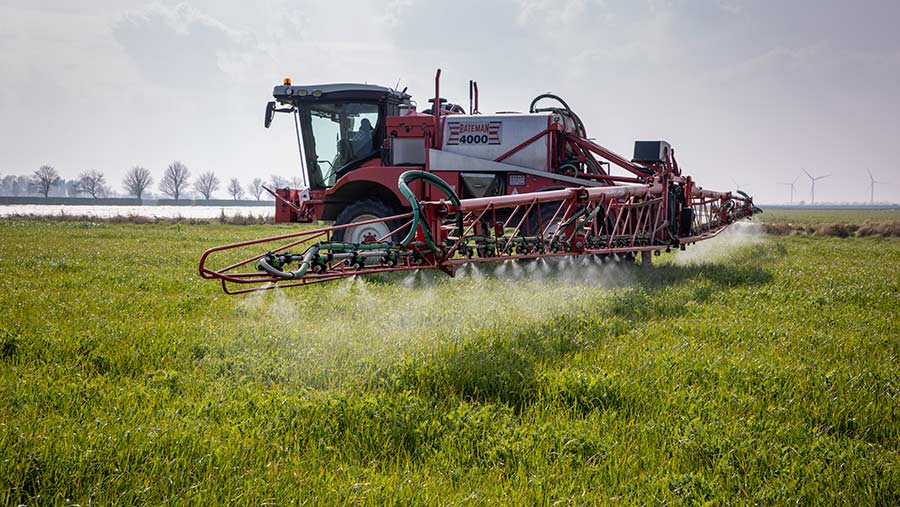
This article in Farmer's Weekly might be of interest

I have been experimenting with various home brew alternatives involving salt and vinegar which have been no more successful than glyphosphate ie the weeds reappear eventually. Good old sodium chlorate was the only thing that gave year round protection on our drive, been banned though for ages.
You can use compost accelerator AKA ammonium sulphamate as long as you promise only to use it on compost or as a stump killer.
 
I’m plagued with docks ( mainly due to the garden being derelict for about ten years before we acquired it, and the millions of dormant seeds that resulted ) and round up it the best solution.
You spray it onto the leaves and being systemic the plant draws the herbicide down into the roots. Any getting onto the soil is fairly quickly neutralised.
The stuff you are using Andy leaves residue in the soil that kills anything that subsequently tries to grow.
I don’t want scorched earth just less docks to give me a fighting chance.
 
Not been able to buy it over the counter here for a while.
This article in Farmer's Weekly might be of interest

I have been experimenting with various home brew alternatives involving salt and vinegar which have been no more successful than glyphosphate ie the weeds reappear eventually. Good old sodium chlorate was the only thing that gave year round protection on our drive, been banned though for ages.
You can use compost accelerator AKA ammonium sulphate as long as you promise only to use it on compost or as a stump killer.
The correct name is ammonium sulphamate quite different from ammonium sulphate which is a fertiliser readily available on EvilBay.
My brew of choice is about 60ml Glyphosate plus a teaspoon of ammonium sluphamate made up to 2.5 litres and sprayed on. Will sort out brambles and ivy with the ammonium sulphamate added.
 
Oops Sorry about that I am sure I had sulphamate in my head. In fact smell chequer auto corrected I have edited my post now and added to my dictionary
 
Roundup herbicide is readily available in Germany at nearly all garden centers or the garden section of hardware stores. However, it is not the same chemistry as Roundup in the States. The label on the Roundup bottles here clearly state "Ohne Glyphosat", which means "without Glyphosate".

The active ingredient in the German Roundup is pelargonic acid, which is an organic compound derived from rapeseed oil. Unlike Glyphosate, which migrates to the root structure of the plant, pelargonic acid and acetic acid are contact agents that kill the leaf. For large or rooted weeds, the rest of the plant might not be affected and can grow back. Like Glyphosate, both pelargonic and acetic acid are non-selective and will kill nearly any plant.

My experience with Glyphosate-based herbicides is they are slow acting, with results in seven to ten days, but permanently kill the vegetation. By contrast, the current Roundup and vinegar solutions are fast, with results in about an hour after application, but the vegetation grow back. I used to mix the 25-percent vinegar from the local grocery stores with an equal amount of water and a good squirt of washing up liquid as a surfactant in a 1.5 liter pump sprayer. It was mostly effective by the next day, but the weeds returned after a week. Now I apply it full strength, with the surfactant, in the sprayer and the weeds don't return for a few weeks.

The Glyphosate-based herbicides are still available on the German eBay from various EU and German vendors. The concentration of Glyphosate varies between 25 and 36 percent by volume.
 
Back
Top