We live on a busy road.
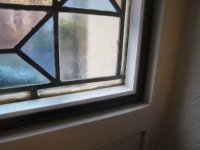
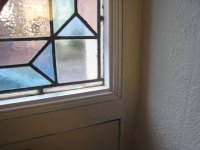
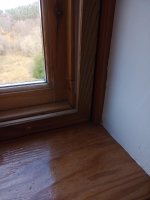
We have uPVC windows, and they're not wonderful, but they do seal quite well. The previous owners had Everest secondary glazing units (aluminium extrusions in hardwood (Ramin, probably) frames, trimmed to fit the reveals). When the uPVC ones were fitted, we rescued the secondary glazing carefully, and re-fitted it after the main units were done, giving triple-glazing with an air gap of about 2.5" to the Everest units. It works superbly well, both for thermal and noise insulation.
But even with the uPVC sealing arrangements, a lot of cold air gets into the space between - probably cooled by conduction of heat out through the DG units (not as widely-spaced glass as current DG units).
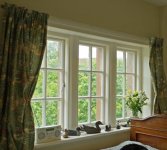
It all depends on where you are, which direction the windows face, what the prevailing wind is (and from which direction, etc.), but unless he original casements are in good condition to start with, and seal well, you may be disappointed with your secondary glazing, even if it does exactly what it is supposed to.
I was driven to the uPVC route because our original wooden casements were in such bad nick - rotted in places, distorted and draughty, etc. Repair was impractical. And much of the effectiveness of the secondary glazing was negated by the outer frames, draughts, condensation, etc.. Back then I didn't know how to make frames and casements, and with a young family and work commitments, didn't have the time either.
I don't think your reasoning is wrong, but have a really good look at the primary windows before getting stuck in. If they are good enough, your plan will help. If they need repairs or replacement, that's really the thing to do first.
Just my twopence.
E.






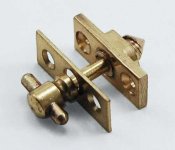
 You know, the YSP that you can't remember where it is some months later!